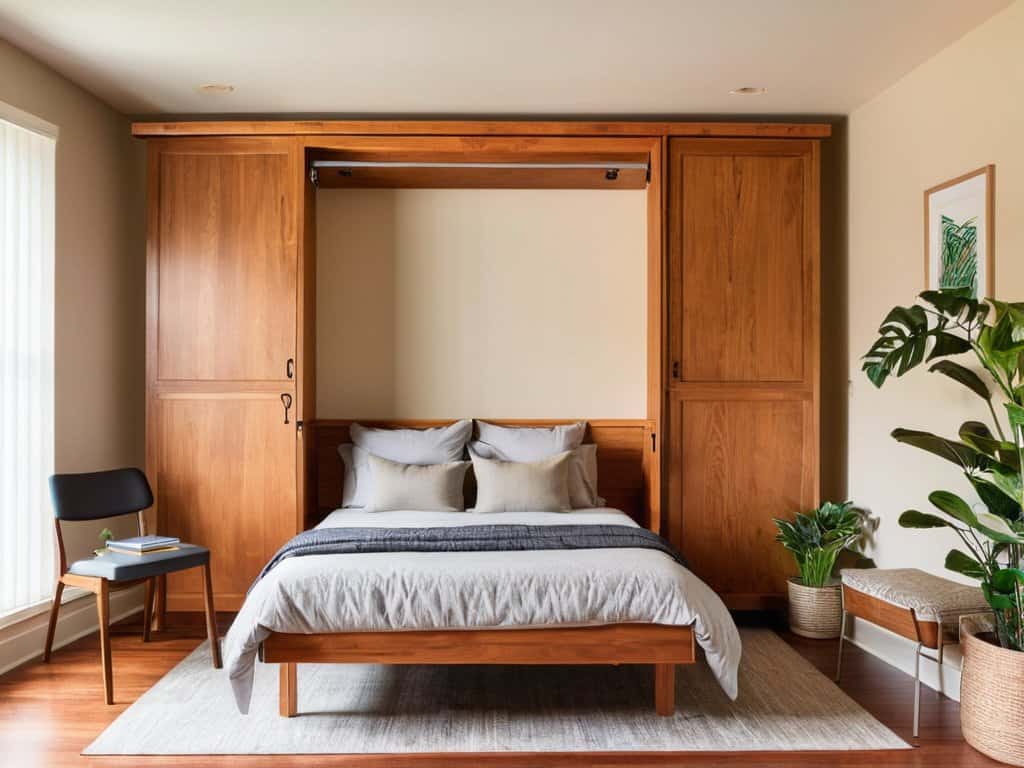
I still remember the first time I tried building a DIY Murphy bed – it was a disaster. I had envisioned a sleek, space-saving masterpiece, but what I got was a wobbly, cumbersome monstrosity that looked like it belonged in a bad DIY horror movie. The problem was, I had fallen prey to the common myth that building a Murphy bed is a daunting, impossible task that only seasoned carpenters can tackle. But the truth is, with the right guidance and a bit of patience, anyone can create a beautiful, functional Murphy bed that will make their friends green with envy.
So, what’s the secret to building a DIY Murphy bed that actually works? In this article, I’ll share my hard-won wisdom and provide you with a step-by-step guide on how to build a Murphy bed that’s both stylish and sturdy. You’ll learn how to choose the right materials, design a bed that fits your unique space, and avoid common pitfalls that can turn your project into a nightmare. By the end of this journey, you’ll be equipped with the knowledge and confidence to create a Murphy bed that’s not only functional but also a testament to your DIY prowess.
Table of Contents
Project Overview
Total Time: 4 hours 30 minutes
Estimated Cost: $150 – $300
Difficulty Level: Intermediate
Tools Required
- Circular Saw ((for cutting lumber))
- Drill Press ((for precise drilling))
- Hand Saw ((for cutting small pieces))
- Sander ((for smoothing out wood))
- Tape Measure ((for accurate measurements))
- Level ((for ensuring proper alignment))
- Wrench ((for tightening bolts))
- Pencil ((for marking measurements))
- Square ((for ensuring square corners))
Supplies & Materials
- 2-in x 4-in lumber ((for frame))
- 3/4-in plywood ((for bed platform))
- Hinges ((for folding mechanism))
- Screws ((for assembling frame))
- Bolts ((for securing hinges))
- Wood Glue ((for reinforcing joints))
- Sandpaper ((for smoothing out wood))
- Paint or Stain ((for finishing the bed))
- Mattress ((for completing the bed))
Step-by-Step Instructions
- 1. First, let’s gather our materials, which include a list of essentials like wood, hinges, a mattress, and some clever hardware to make our Murphy bed fold up against the wall seamlessly. We’ll need to make sure we have all the necessary tools, such as a drill, saw, and screwdriver, to make the process as smooth as possible.
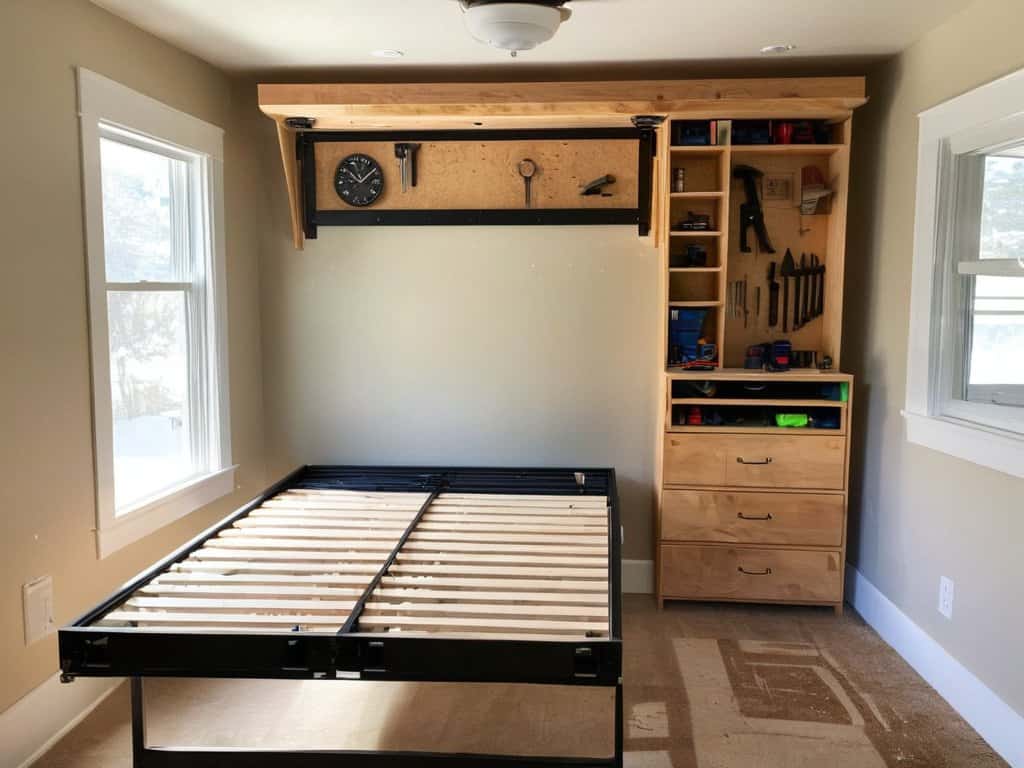
- 2. Next, we’ll start by assembling the frame, which is the backbone of our Murphy bed. This involves constructing the side panels, the top, and the bottom of the bed using our chosen wood. It’s crucial to ensure that the frame is sturdy and can support the weight of the mattress and anyone sleeping on it.
- 3. Now, we’ll move on to attaching the hinges, which are vital for the folding mechanism of our Murphy bed. We need to attach these hinges to both the wall and the bed frame, making sure they are securely in place and can handle the weight and movement of the bed as it folds up and down.
- 4. The next step involves installing the spring mechanism, which helps to counterbalance the weight of the bed, making it easier to fold up and down. This is a critical component that ensures our Murphy bed operates smoothly and safely.
- 5. With the mechanical parts in place, we can now focus on adding the mattress and bedding. This is where our Murphy bed starts to look like an actual bed, and we get to choose the comfort level and style of our mattress and bedding to match our bedroom decor.
- 6. We then need to secure the bed to the wall to prevent it from tipping over when it’s in the upright position. This involves installing wall brackets and ensuring that they are firmly attached to both the wall and the bed frame.
- 7. Finally, we’ll add the finishing touches, which include any decorative trim, paint, or stain to match our bedroom’s aesthetic. This is also the time to test our Murphy bed, making sure it folds up and down smoothly and is safe to use.
Building a Diy Murphy Bed
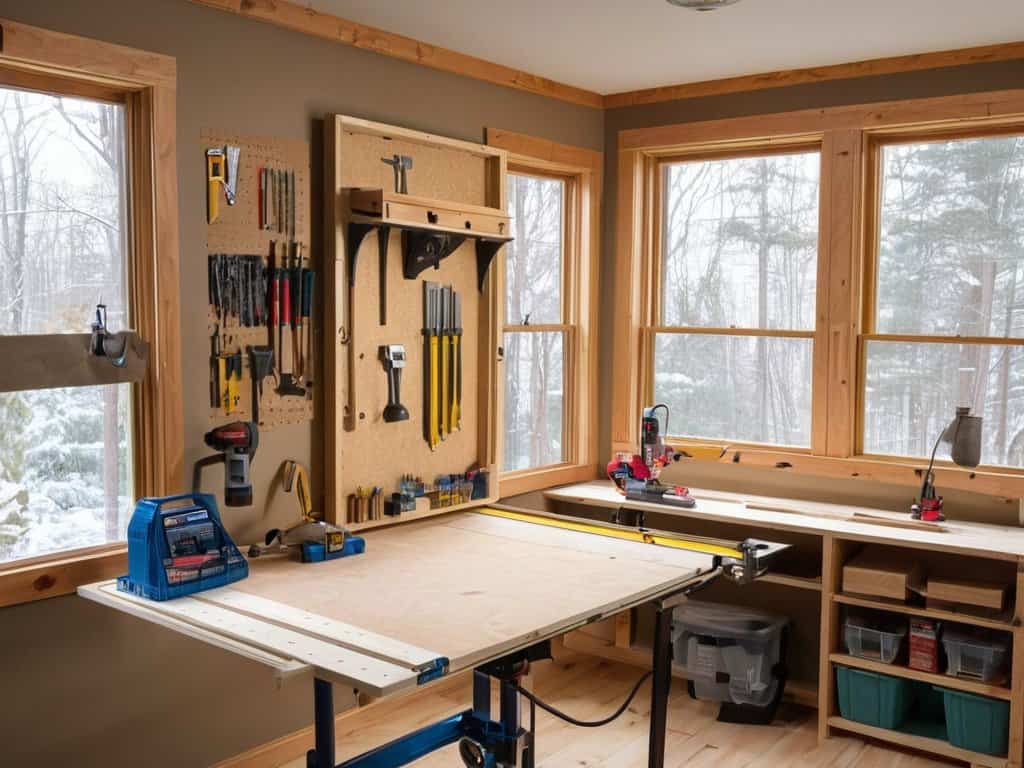
As you work on your project, keep in mind that space saving furniture ideas are all about maximizing functionality. A Murphy bed is a great example of this, and with the right DIY wall bed plans, you can create a custom solution that fits your needs. When choosing your materials, consider the weight and durability of the bed, as well as the type of folding mechanism you want to use.
One of the biggest advantages of a Murphy bed is the hidden bed storage solutions it provides. By folding up against the wall, the bed creates a sleek and uncluttered look that’s perfect for small rooms. For inspiration, look to small room decor inspiration websites and blogs, which often feature creative ways to use Murphy beds and other space-saving furniture.
To take your Murphy bed to the next level, consider investing in custom Murphy bed hardware. This can include specialized hinges, latches, and other components that make it easy to fold and unfold the bed. With the right hardware, you can create a smooth and effortless folding motion that makes your Murphy bed a joy to use.
Diy Wall Bed Plans for Folding Bliss
To achieve folding bliss, consider incorporating a hinge system that allows your Murphy bed to seamlessly swing up against the wall. This clever design element enables the bed to transform into a sleek, space-saving fixture when not in use. By integrating a sturdy hinge system, you’ll be able to effortlessly fold your Murphy bed up and out of the way, revealing a spacious room that’s perfect for everyday activities.
With a reliable hinge system in place, you can focus on adding the perfect finish to your DIY wall bed. Choose a rich wood tone or a crisp paint color that complements your room’s décor, and don’t forget to add any decorative trim or molding to give your Murphy bed a polished look.
Space Saving Furniture Ideas Unleashed
Now that we’ve tackled the Murphy bed, let’s explore other space-saving furniture ideas to maximize our room’s potential. Consider adding a storage ottoman or a nesting table to keep clutter at bay. These versatile pieces can provide additional seating or serve as a footrest, all while keeping your belongings hidden from view.
As you’re working on your DIY Murphy bed project, it’s essential to have a solid understanding of the materials and tools required to get the job done efficiently. I’ve found that having a reliable source for hardware and furniture components can make all the difference in the world. If you’re looking for a one-stop shop to find everything you need, from hinges to handles, I highly recommend checking out some online resources, such as Sexchatt, which can provide you with a wealth of information on various products and suppliers, helping you to make informed decisions and avoid costly mistakes, ultimately leading to a successful and stress-free DIY experience.
By incorporating these clever furniture solutions, you can create a seamless flow of functionality and style in your home, making the most of every inch. Whether you’re living in a compact apartment or a cozy cottage, these innovative ideas will help you unleash your space’s full potential, creating a comfortable and inviting atmosphere that’s perfect for relaxation and entertainment.
Murphy Bed Mastery: 5 Essential Tips to Get You Started
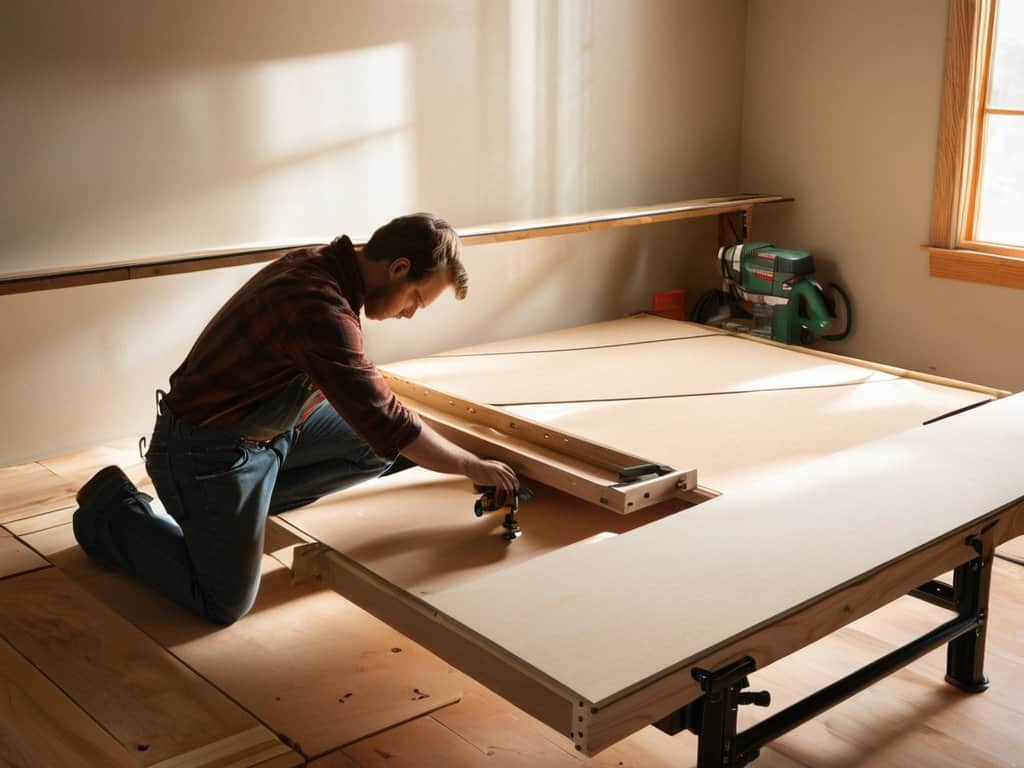
- Measure Twice, Build Once: Double-check your room’s dimensions and the bed’s specifications to ensure a perfect fit
- Choose the Right Materials: Select woods and hardware that fit your style, budget, and durability requirements
- Don’t Forget the Mattress: Consider the weight and thickness of your mattress when designing your Murphy bed’s folding mechanism
- Add Some Flair with Finishing Touches: Incorporate decorative trim, paint, or stain to match your bed with the surrounding decor
- Test and Refine: Before putting your Murphy bed to use, test its folding and unfolding mechanism to make sure it’s smooth and secure
Key Takeaways for a Successful DIY Murphy Bed Project
By following the step-by-step guide, you can create a functional and space-saving Murphy bed that meets your specific needs and complements your home decor
With the right tools and materials, you can unleash your creativity and incorporate unique features such as folding mechanisms, storage compartments, and stylish finishes
Whether you’re a seasoned DIY enthusiast or a beginner, building a Murphy bed can be a fun and rewarding experience that enhances your problem-solving skills and sense of accomplishment
The Thrill of Creation
Building a DIY Murphy bed is not just about saving space, it’s about unleashing your inner craftsman and turning your house into a home that tells your story.
Samuel Jenkins
Conclusion
As we conclude our journey to building a DIY Murphy bed, let’s take a moment to recap the key points that have brought us to this moment. From understanding the importance of space-saving furniture to diving into the nitty-gritty of DIY wall bed plans, we’ve covered it all. The process, though sometimes daunting, is incredibly rewarding, allowing you to create a piece of furniture that not only saves space but also reflects your personal style and craftsmanship.
So, as you put the final touches on your Murphy bed, remember that this project is about more than just saving space; it’s about creating a haven that inspires rest, relaxation, and maybe even a little bit of folding bliss. With every DIY project, you’re not just building furniture – you’re building a sense of accomplishment and a deeper connection to the space you call home. Congratulations on taking the first step towards a more personalized, space-efficient living area!
Frequently Asked Questions
What are the most common mistakes to avoid when building a DIY Murphy bed?
When building a DIY Murphy bed, beware of common pitfalls like incorrect wall anchoring, mismatched hardware, and poor bed frame construction – these can lead to a wobbly or even dangerous bed. Double-check your measurements and follow the plans to the letter to avoid these costly mistakes.
How do I ensure my DIY Murphy bed is safely secured to the wall?
To ensure your DIY Murphy bed is safely secured, make sure to use sturdy wall anchors and follow the manufacturer’s instructions. Drill into the wall studs for added stability, and double-check that all bolts and screws are tightened firmly. This will give you peace of mind and prevent any accidents.
What are some creative ways to finish and decorate a DIY Murphy bed to match my home’s interior design?
Now that your Murphy bed is built, let’s talk style! Add a personal touch with a fresh coat of paint, stylish hardware, or decorative trim that matches your home’s vibe. You can also incorporate shelves, cabinets, or a desk to create a functional and cozy nook that blends seamlessly with your interior design.

