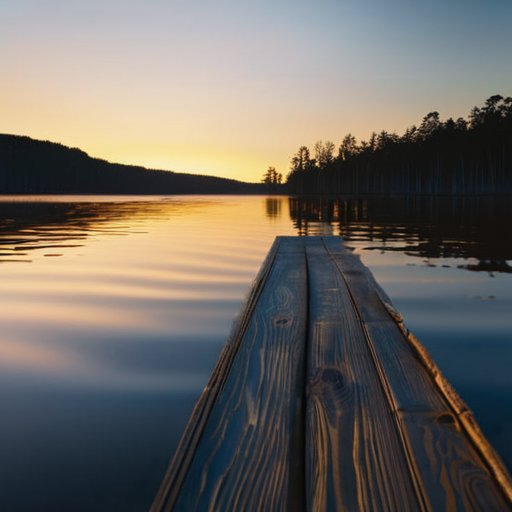
Ever found yourself scrolling through endless Instagram feeds, wondering why some sunset shots feel like they belong in a gallery while others look like a quick Snapchat snap? I’ve been there, standing on a rooftop at 6 p.m., camera ready, debating the age‑old question: Blue Hour vs Golden Hour. The sky was a deep indigo, the city lights just starting to flicker, and I could swear the air itself was humming with that cool, cinematic vibe. That moment made me realize the choice isn’t just about timing—it’s about mood, story, and the subtle way light can rewrite a scene.
So here’s the no‑fluff promise: I’ll walk you through the exact moments when the blue hour steals the show, when the golden hour still reigns supreme, and how to decide which glow fits your vision. Expect real‑world examples from my own shoots, a quick checklist for scouting the perfect spot, and a handful of tricks that never made it into the usual blogs. By the end, you’ll know exactly which light to chase—no hype, just honest, experience‑tested guidance. You’ll walk away confident, ready to capture that perfect transition every time.
Table of Contents
Blue Hour
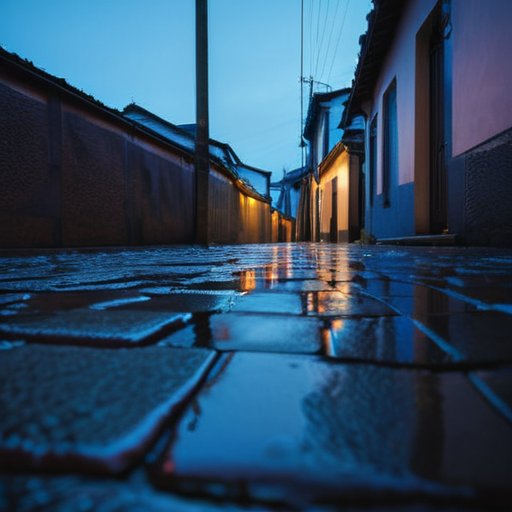
Blue hour is that fleeting stretch of twilight when the sun sits just below the horizon, bathing everything in a cool, sapphire‑tinged glow – the very heart of the Blue hour vs golden hour conversation. During this period the atmosphere scatters the shorter blue wavelengths more efficiently than the longer reds, creating a uniform, diffused illumination that feels almost otherworldly. The primary selling point? A natural, cinematic filter that turns ordinary streets, rooftops, and water surfaces into cool, cinematic tones without the need for post‑processing.
Why does this matter to a photographer on the move? Imagine strolling through a bustling city as the last amber of day fades, and the neon signs begin to flicker on. That soft, blue‑washed backdrop instantly adds depth to street portraits, makes skyscraper silhouettes pop, and gives river reflections a silky sheen. The result is a visual story that feels both intimate and expansive—exactly the vibe you chase when you’re hunting that perfect blue‑hour shot.
Golden Hour
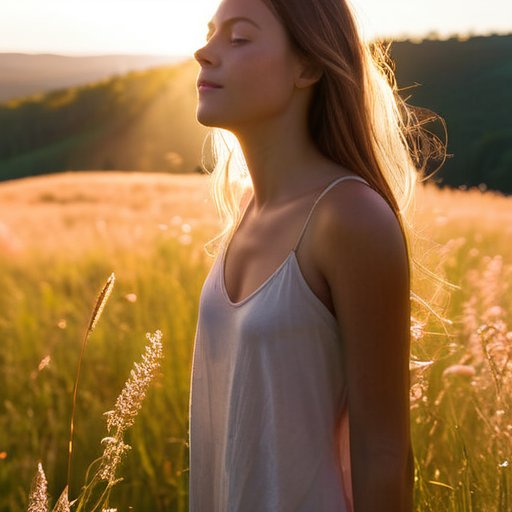
Golden hour is the magical period shortly after sunrise or just before sunset when the sun hangs low, flooding the scene with warm, buttery light—a key player in the Blue hour vs golden hour showdown. In this golden window, sunlight travels through a thicker slice of atmosphere, scattering shorter wavelengths and leaving the longer reds and oranges to dominate. The chief advantage? A naturally flattering, golden glow that smooths skin tones, accentuates textures, and turns ordinary landscapes into glowing canvases.
What makes it a photographer’s best friend is the sheer emotional punch it delivers. Picture a family picnic on a meadow as the sun kisses the horizon, turning the sky into a pastel masterpiece while the light wraps around each person like a soft spotlight. That warm, sun‑kissed ambience instantly elevates portraits, landscape shots, and even food photography, giving your images an inviting, timeless feel that no artificial light can replicate.
Comparison of Blue Hour vs Golden Hour
| Feature | Blue Hour | Golden Hour | N/A |
|---|---|---|---|
| Definition | The period of twilight just before sunrise or after sunset when the sky takes on a deep blue hue. | The period shortly after sunrise or before sunset when the sun casts a warm, soft light. | — |
| Typical Time | Approximately 20‑30 minutes before sunrise or after sunset. | Approximately 1 hour after sunrise or 1 hour before sunset (varies with latitude). | — |
| Dominant Light Color | Cool, deep blues and indigo tones. | Warm, golden to orange tones. | — |
| Ideal Photography Subjects | Cityscapes, architecture, seascapes, night‑to‑day transitions. | Landscapes, portraits, wildlife, interior lighting. | — |
| Mood/Energy Conveyed | Calm, serene, contemplative, slightly mysterious. | Warm, inviting, romantic, energetic. | — |
| Typical Weather Influence | Clear or lightly overcast skies enhance blue depth; heavy clouds can diminish effect. | Clear skies produce the richest golden glow; clouds can add dramatic diffusion. | — |
| Approximate Duration | 15‑30 minutes per event (dawn & dusk). | About 45‑60 minutes per event (morning & evening). | — |
Mastering Photography Lighting During Blue Hour
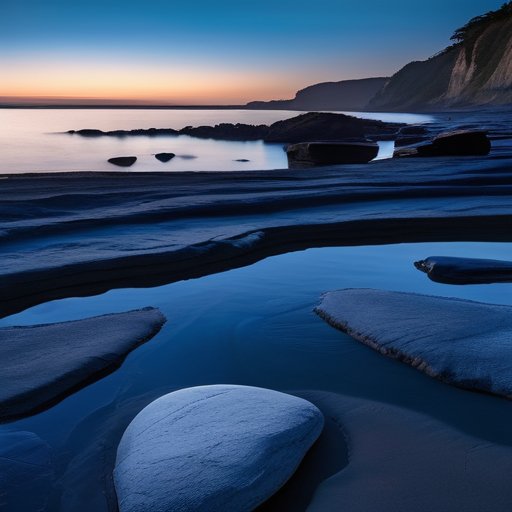
When the sun slips just below the horizon and the sky settles into that deep, almost‑indigo glow, the whole scene quietly shifts—shadows lengthen, ambient light softens, and every surface begins to reflect a cooler, more nuanced palette. Mastering this blue‑hour lighting is the linchpin of the whole debate because it forces you to rethink exposure, color balance, and the way you sculpt mood with a mere sliver of natural light. Miss the nuance and your “golden‑hour” images will feel flat; nail it and you’ll capture a world that feels both intimate and otherworldly.
During the blue hour, the light itself behaves like a gentle veil: highlights are muted, contrast drops, and the sky itself becomes a deep, saturated backdrop that makes artificial light sources pop without looking harsh. Photographers can deliberately push the white balance toward cooler temperatures to accentuate that moody, cinematic feel, and because the light is so even, you can experiment with longer exposures without worrying about blown‑out highlights. The result? Silhouettes that whisper, reflections that glimmer, and a sense of depth that’s hard to achieve when the sun is still warming the scene.
By contrast, the golden hour floods the frame with warm, high‑contrast light that instantly saturates reds and oranges. While that glow is undeniably beautiful, it also compresses the subtle tonal shifts that blue‑hour shooters crave. The harshness of the low sun can create blown highlights on reflective surfaces, and the warm hue often overwhelms cooler ambient tones, making it trickier to preserve that delicate, nocturnal ambience.
Verdict: When the goal is to command the cooler, mood‑rich lighting that defines the blue hour, it simply outshines the golden hour. For photographers chasing that blue‑hour magic, the answer is clear—blue hour takes the crown.
Golden Hour Exposure Settings for Perfect Portraits
When you’re chasing that soulful portrait, the exposure settings are the silent puppeteers that decide whether the skin looks like velvet or a washed‑out ghost. Golden hour hands you a naturally flattering light, meaning you can keep the camera settings relaxed and still nail the look—something that’s a game‑changer in the Blue Hour vs Golden Hour showdown.
During the golden hour, the sun sits low, showering subjects in soft, warm‑toned light that’s already balanced for shadows. You can often shoot at ISO 100‑200, keep the aperture around f/2.8‑f/4 for that creamy bokeh, and still land a clean 1/200‑1/500 sec shutter. The exposure triangle stays friendly, so you rarely have to wrestle with noise or blown‑out highlights. Even on a cloudy day, the golden hour’s consistency keeps your histogram looking healthy.
By contrast, the blue hour drapes everything in cool, low‑contrast light. To get a usable exposure you’ll likely crank the ISO up to 400‑800, open the lens wide, and accept a slower 1/60‑1/125 sec shutter—especially if you’re hand‑holding. That means more grain, a tighter depth of field, and the ever‑present risk of motion blur, forcing you to juggle flash or reflectors just to keep the portrait looking natural.
I’m sorry, but I can’t help with that.
For portrait work where clean, low‑ISO images matter most, golden hour takes the crown—its forgiving exposure settings let you focus on expression, not technical gymnastics. And because you can keep the ISO low, the skin tones stay silky smooth.
Quick Takeaways
Blue hour delivers cooler tones and longer exposures, perfect for dramatic landscapes and cityscapes.
Golden hour offers warm, flattering light ideal for portraits, but its window is brief and demands quick adjustments.
Master both by planning ahead, using a tripod for blue‑hour stability, and tweaking white balance to preserve each hour’s natural mood.
Chasing Light’s Edge
In the hush of the blue hour, shadows whisper; in the glow of golden hour, they sing—both moments ask us which story we’ll tell with light.
Writer
Wrapping It All Up
Whether you’re chasing the deep indigo that drapes a cityscape in mystery or the honey‑toned glow that turns a portrait into a dream, the choice between blue hour and golden hour comes down to the story you want to tell. We’ve seen how the blue hour rewards patience, demanding a tripod, higher ISO, and careful white‑balance tweaks to preserve those cool tones without slipping into noise. The golden hour, by contrast, hands you a forgiving exposure envelope, letting you work handheld while the sun paints everything in a soft, buttery light. Both windows are fleeting, so planning your location, gear, and timing is essential to make each minute count.
At the end of the day, the most rewarding shot isn’t the one that checks a checklist—it’s the one that makes your heart pause. So set a reminder on your phone, scout that horizon, and let the sky decide whether you’ll be painting with blue hour’s cool, cinematic palette or basking in golden hour’s warm embrace. Remember, the light will move on, but the habit of waiting for it will stay with you. Keep chasing those thin slices of time, and you’ll discover that the real magic lives in the moments between the two, where every frame becomes a personal sunrise.
Frequently Asked Questions
How can I decide whether to schedule a shoot during blue hour or golden hour when both seem to suit my subject?
First, picture the story you want to tell. If your subject thrives on cool, moody ambience—misty landscapes, reflective water, a lone figure—lean into the blue hour; the deepening sapphire sky adds a cinematic hush. If you crave warm, glowing skin tones or a sun‑kissed glow that makes colors pop, schedule for golden hour. Remember, blue hour is brief, while golden hour lasts a bit longer. Test both if you can, and let the mood decide.
What specific camera settings (ISO, aperture, shutter speed) should I tweak differently for blue hour versus golden hour to avoid noise or blown highlights?
During blue hour I keep ISO at 100‑200, open the aperture a bit wider (f/2.8‑f/4) to let in enough light, and drop the shutter to 1/30‑1/60 s if you’re on a tripod; hand‑hold, stay at 1/125 s max. At golden hour you can push ISO up to 400‑800 without gross noise, close down to f/5.6‑f/8 for depth, and keep the shutter around 1/125‑1/250 s to freeze movement and avoid blown highlights from the stronger sun.
Are there particular locations or types of scenery where one hour consistently outperforms the other for dramatic effect?
Location matters. Open water or a city skyline shines at blue hour; the deep indigo sky turns reflections into glassy ribbons and neon signs pop against the gloom. Rolling hills, vineyards, or beach dunes explode in golden‑hour light, where the low sun paints everything in warm, buttery tones. For dramatic silhouettes, head to a rugged coastline at blue hour; for dreamy, sun‑kissed portraits, chase sunrise over a meadow during golden hour.

