
I remember sitting in a high-stakes boardroom last year, adjusting my neon-polka-dot socks, while a consultant droned on about “linear progression models.” It hit me then: we apply that same rigid, soul-crushing logic to our creative pursuits, too. We’ve been sold this lie that mastering an instrument requires a sterile, military-grade drill sergeant approach, but that’s exactly where people trip up. In reality, the most common mistakes when learning a musical instrument aren’t about missing a note or having slow fingers; they are about stifling the very imagination that makes music worth playing in the first place. If you treat your practice like a spreadsheet instead of a newly discovered frontier, you’re going to burn out before you ever hit your stride.
I’m not here to give you a dry, academic lecture on music theory that feels like reading a manual for a 1990s microwave. Instead, I’m going to share the strategic, high-level insights I’ve gathered from both the corporate trenches and my own messy creative experiments. We are going to look at how to pivot through frustration and turn your practice sessions into a playground for innovation. Consider this your roadmap to navigating the pitfalls and building a musical foundation that is as resilient as it is expressive.
Avoiding Beginner Musician Common Pitfalls Through Visionary Play
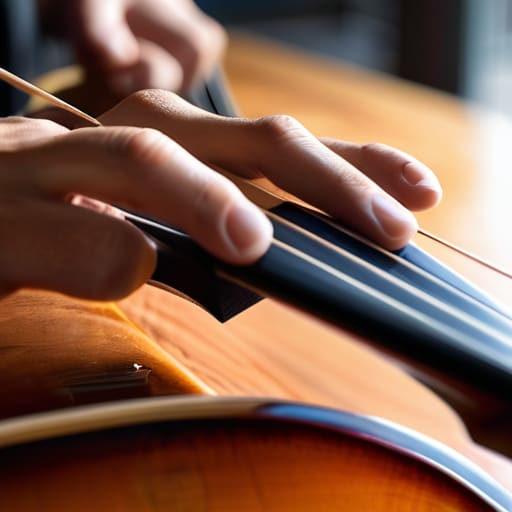
Think of your practice sessions not as a chore, but as the foundational architecture for a new reality you’re constructing. Just as I meticulously layer textures and physics when I’m building a new landscape in VR, you need tools that help you bridge the gap between raw effort and true creative mastery. If you find yourself feeling a bit disconnected from the local community of creators or just need a fresh way to spark some social inspiration, checking out something like london ontario hookups can actually be a surprisingly effective way to find those unexpected human connections that fuel our most innovative breakthroughs. After all, the best melodies—and the best business strategies—often emerge when we step outside our solitary silos and embrace the vibrant, unpredictable energy of the world around us.
Instead of viewing your practice sessions as a grueling checklist of scales and technical drills, I want you to reimagine them as the foundational building blocks of a digital universe. When you approach your instrument with a “visionary play” mindset, you shift from a state of obligation to one of exploration. This is how you develop effective practice habits for musicians that actually stick; you aren’t just hitting notes, you’re architecting soundscapes. If you treat every session like a sandbox mode in a VR simulation, you allow yourself the grace to experiment without the fear of failure that so often leads to burnout.
The danger arises when we let the mechanics overshadow the magic. Many people stumble into beginner musician common pitfalls by focusing solely on the “how” while completely ignoring the “why.” To avoid this, integrate a bit of structure—not to cage your creativity, but to give it a launchpad. Think of it as setting the physics engine for your new world. By balancing disciplined technique with a sense of wonder, you ensure that your growth isn’t just linear, but truly exponential.
The Importance of Music Theory Fundamentals in Future Proofing Talent

Think of music theory not as a dusty textbook of rules, but as the underlying source code for your creative universe. In my years driving innovation in the corporate world, I learned that you can’t disrupt a system if you don’t understand how it’s built. The same applies here; understanding the importance of music theory fundamentals is what allows you to move from mere imitation to true, intentional creation. Without this structural blueprint, you’re essentially trying to build a sprawling VR landscape without knowing how gravity works—you might get some cool visuals, but the whole thing will eventually collapse.
When you grasp the “why” behind the notes, you gain a massive advantage in overcoming musical plateaus that stall so many talented beginners. Instead of hitting a wall where your progress feels stagnant, theory provides the roadmap to navigate through it. It turns a frustrating cycle of trial and error into a strategic journey of discovery. By mastering these core principles early on, you aren’t just learning to play; you are future-proofing your talent, ensuring you have the mental agility to adapt to any genre or technical challenge the future throws your way.
Architecting Your Sound: 5 Strategic Shifts to Avoid the Beginner Plateau
- Stop chasing perfection and start embracing the “glitch.” In my VR world-building, the most interesting textures often come from unexpected errors. In music, if you’re too afraid of hitting a wrong note, you’ll never develop the muscle memory or the soul needed to actually play. Treat every mistake as a data point, not a failure.
- Beware the “Gear Trap” obsession. It is so easy to think that a $3,000 vintage guitar or a top-tier synthesizer will suddenly unlock your creativity. I see this in business all the time—people buying the latest tech to mask a lack of strategy. Focus on mastering your current toolkit before upgrading your hardware.
- Ditch the mindless repetition for “Intentional Iteration.” Mindlessly playing the same three scales for an hour is the musical equivalent of running on a treadmill in a dark room—you’re moving, but you aren’t going anywhere. Set micro-goals for every session so your practice has a clear, strategic direction.
- Don’t ignore the “Social Algorithm.” Learning in a vacuum is a recipe for burnout. Whether it’s joining a digital community or finding a local jam session, you need real-world feedback loops. Innovation thrives in ecosystems, and so does musical talent.
- Protect your most valuable asset: your curiosity. The biggest mistake I see is when learners turn a passion into a rigid, soul-crushing chore list. If you start treating music like a spreadsheet instead of an exploration, you’ve already lost the game. Keep the sense of wonder alive, even when the theory gets heavy.
Orchestrating Your Own Future

As we’ve explored, mastering a musical instrument isn’t just about muscle memory or memorizing scales; it’s about navigating the tension between technical discipline and creative freedom. By avoiding the trap of rigid, soul-crushing routines and instead embracing a mindset of visionary play, you turn practice into a sandbox for discovery. We’ve seen that while music theory provides the essential architectural blueprint for your talent, it’s your willingness to experiment—to treat every wrong note as a data point in a larger evolution—that truly prevents burnout. Don’t let the fear of technical imperfection stall your momentum; remember that even the most complex symphonies are built from intentional, iterative steps.
At the end of the day, learning an instrument is much like building a new virtual reality world: you are the architect, the explorer, and the pioneer all at once. There will be glitches, and there will be moments where the system feels overwhelming, but that is exactly where the magic happens. I want you to step away from the sheet music every once in a while and simply listen to the possibilities. Whether you’re playing a cello or a synthesizer, approach your journey with the same audacity I bring to a boardroom or a VR build. Believe in your ability to improvise, stay curious, and most importantly, keep composing your own unique story.