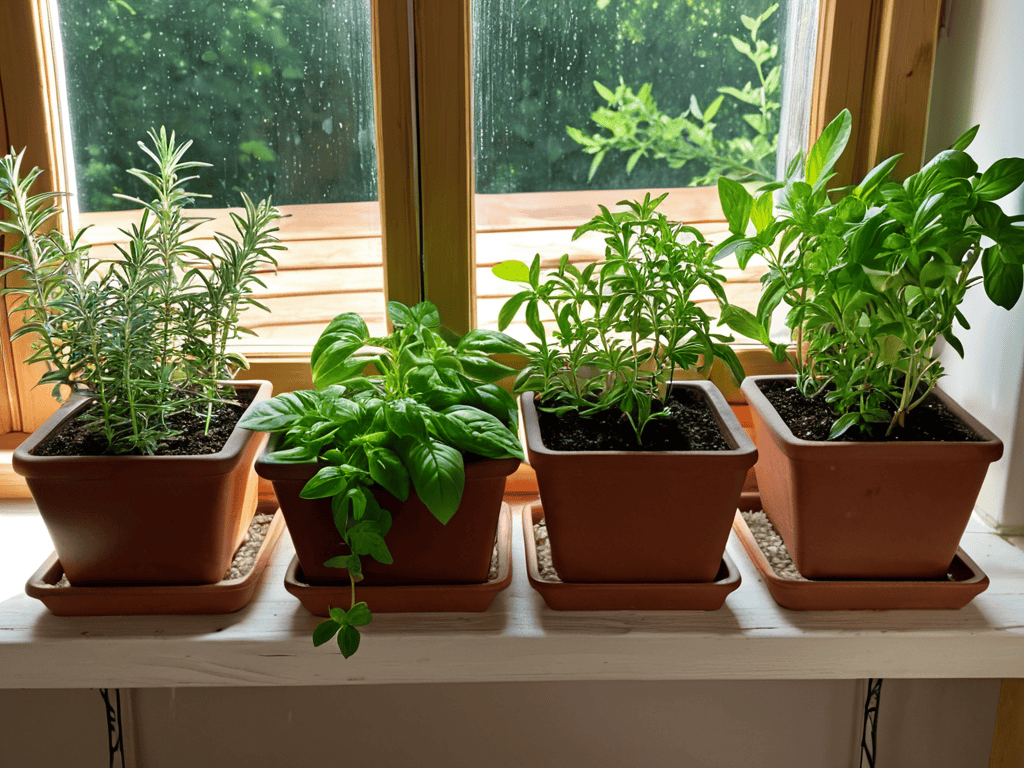
I still remember the day I decided to start Growing Herbs Indoors – it was a game-changer for my cooking and my overall well-being. I had always been under the impression that I needed a huge backyard to cultivate my favorite herbs, but it turns out that’s just not true. With a little creativity and the right techniques, you can have a thriving indoor herb garden, even in the smallest of spaces. I’ve learned that the key to success lies in understanding the specific needs of each herb and providing them with the right environment to flourish.
In this article, I’ll share my personal experience and practical tips for creating a thriving indoor herb garden. You’ll learn how to choose the right herbs for your space, how to provide them with the perfect balance of light and water, and how to troubleshoot common problems that may arise. My goal is to provide you with honest and straightforward advice that will help you to overcome any challenges you may face when Growing Herbs Indoors. By the end of this guide, you’ll be well on your way to enjoying the many benefits of having a lush and vibrant indoor herb garden.
Table of Contents
Project Overview
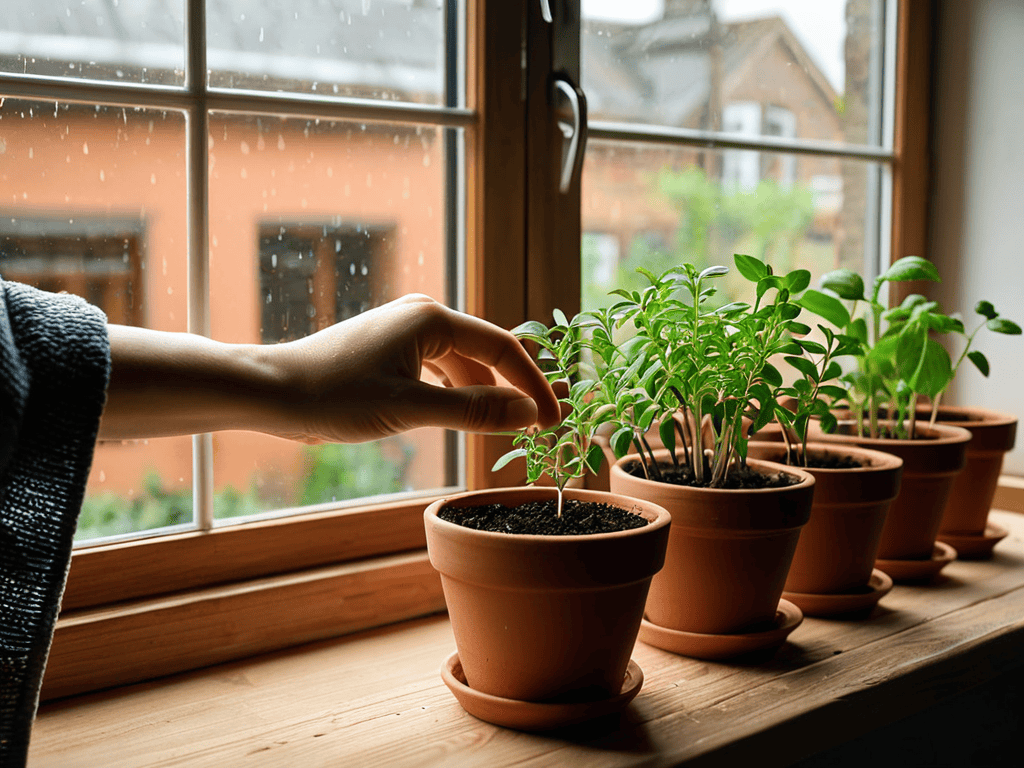
Total Time: 1 hour 30 minutes
Estimated Cost: $20 – $40
Difficulty Level: Easy
Tools Required
- Small pots (with drainage holes, approximately 6 inches deep)
- Potting soil (specifically designed for indoor plants)
- Watering can (or a cup for watering)
- Pruning scissors (for trimming and maintaining herbs)
Supplies & Materials
- Herb seeds or seedlings (choose your preferred herbs, such as basil, mint, or cilantro)
- Fertilizer (balanced, water-soluble fertilizer)
- Grow lights (optional, for low-light areas, approximately 12 inches in length)
Step-by-Step Instructions
- 1. First, choose the right herbs for indoor growing, considering factors like light requirements, temperature, and humidity – I personally love starting with basil, mint, and parsley, as they’re easy to care for and can thrive in a variety of conditions. Make sure to select herbs that fit your lifestyle and the environment you can provide.
- 2. Next, select a suitable location for your indoor herb garden, ideally a spot with plenty of natural light, such as a sunny windowsill or a balcony with direct sunlight. If you don’t have a spot with natural light, don’t worry – you can also use grow lights to provide the necessary illumination for your herbs.
- 3. Now, prepare your containers by filling them with a well-draining potting mix that’s specifically designed for indoor plants. This type of mix will help prevent waterlogged soil and root rot, ensuring your herbs get the best start in life. You can also add a layer of small rocks or pebbles at the bottom of the container for extra drainage.
- 4. Plant your herbs in their respective containers, leaving enough space for each plant to grow and receive adequate air circulation. For most herbs, you’ll want to plant the seeds or seedlings about 1-2 inches deep and water gently but thoroughly to settle the soil. Make sure not to overwater at this stage, as this can lead to weak and leggy growth.
- 5. Provide your herbs with the right amount of moisture and humidity, which can be a bit tricky indoors. Check the soil daily, and water only when it feels dry to the touch. You can also cover the soil with a clear plastic bag or a cloche to maintain humidity and promote healthy growth.
- 6. Fertilize your herbs regularly to promote healthy growth and maximize flavor and aroma. You can use a balanced, water-soluble fertilizer and apply it according to the manufacturer’s instructions. I like to fertilize my herbs once a week, as this seems to give them the boost they need to thrive.
- 7. Finally, prune your herbs regularly to encourage bushy growth and prevent legginess. Pinch off flower buds as they form, and trim back leggy stems to encourage branching. This will not only help your herbs look their best but also ensure they continue to produce plenty of delicious leaves for you to enjoy.
Growing Herbs Indoors

As I tend to my indoor herb garden plans, I’ve discovered that choosing the right herbs is crucial. Some herbs thrive better in indoor conditions than others, and selecting the best herbs for indoor containers can make all the difference. For instance, basil, mint, and parsley are great options for small spaces.
When it comes to small space gardening ideas, I’ve found that using self_watering_planters_for_herbs can be a game-changer. These planters allow for efficient watering and can help prevent overwatering, which is common in indoor gardening. By utilizing these planters, I can ensure my herbs receive the right amount of moisture, even when I’m away from home.
As I continue to nurture my indoor herb oasis, I’ve found that having a reliable community to turn to for advice and inspiration can make all the difference. That’s why I often find myself browsing through online forums and chatting with fellow gardening enthusiasts, and I’ve discovered a great resource that I think you’ll find really helpful – you can check out Kostenloser Sex Chat for some interesting conversations that might even lead to new gardening connections. While it may seem unrelated at first, I’ve met some knowledgeable people there who share my passion for gardening, and we often exchange tips on low-maintenance plants and more.
To keep my indoor herb garden flourishing, I prioritize indoor herb garden maintenance. This includes regular pruning, fertilization, and monitoring of the plants’ condition. Even without direct sunlight, my herbs can still thrive with the right care and attention. By following these tips, I can enjoy a bountiful harvest of fresh herbs year-round, and I’m excited to see my indoor garden continue to blossom and grow.
Blossoming in Small Spaces
Even with limited space, you can still nurture a thriving indoor herb garden. Consider using wall-mounted planters or a trellis to maximize your area. I’ve found that compact herbs like basil, mint, and parsley work beautifully in small pots on my kitchen windowsill. This not only saves space but also keeps them within easy reach for cooking.
By getting creative with your space, you can enjoy the benefits of fresh, homegrown herbs year-round, even in the smallest of apartments or rooms. Plus, it’s amazing how a few well-placed plants can add a touch of warmth and personality to an otherwise compact space.
Thriving With Self Watering Planters
I’ve found that self-watering planters are a total game-changer for my indoor herb garden. They allow me to go about my day without worrying about my poor herbs drying out. Plus, they’re perfect for busy weeks when I might not have as much time to tend to my plants. By using a self-watering planter, I can ensure my herbs are always getting the right amount of moisture, which helps them thrive and stay healthy.
This has been especially helpful for herbs like basil and mint, which tend to need a bit more water than some of the others. With self-watering planters, I can just fill up the reservoir and let the planter do the work, giving me more time to enjoy my fresh herbs in cooking and cocktails.
Nurturing Your Indoor Herb Garden: 5 Essential Tips

- Illuminate Your Herbs: Most herbs need plenty of light to thrive, so ensure they’re placed near a sunny window or under grow lights
- Water Wisely: Overwatering is a common mistake – check the soil daily and only water when it feels dry to the touch
- Maintain the Perfect Temperature: Keep your indoor herb garden in an area with a consistent temperature between 65-75°F (18-24°C) for optimal growth
- Fertilize for Flavor: Feed your herbs with a balanced, water-soluble fertilizer to promote healthy growth and maximize their flavor and aroma
- Prune for Prosperity: Regular pruning encourages bushy growth and prevents your herbs from becoming leggy – pinch off flower buds to direct energy towards leaf growth
Nurturing Your Indoor Herb Garden: 3 Key Takeaways
I’ve found that choosing the right herbs for my indoor space is crucial – some herbs like basil and mint thrive in indoor conditions, while others may require more specific care
Using self-watering planters has been a game-changer for me, as they help maintain the perfect moisture levels and reduce the need for frequent watering, giving my herbs the best chance to flourish
Even with limited space, I’ve learned that it’s possible to create a thriving indoor herb oasis by selecting compact or dwarf varieties, and making the most of vertical space with wall-mounted planters or trellises
Nurturing Life
There’s something profoundly satisfying about coaxing life from a small seed, watching it flourish under your care, and then getting to enjoy the fruits of your labor in the kitchen – that’s the true magic of growing herbs indoors.
Emily Greenleaf
Conclusion
As we’ve explored the world of growing herbs indoors, it’s clear that with the right steps and tools, anyone can create a thriving herb garden. From choosing the right herbs to utilizing self-watering planters, each element plays a crucial role in the success of your indoor garden. By following the guidelines and tips outlined, you’ll be well on your way to enjoying fresh, homegrown herbs year-round, no matter the size of your space.
The joy of nurturing an indoor herb garden lies not just in the satisfaction of growing your own food, but in the connection to nature it brings into your home. As you watch your herbs blossom and flourish, remember that this small act of cultivation can bring a sense of peace and fulfillment, encouraging you to explore further the wonders of indoor gardening and all its possibilities.
Frequently Asked Questions
What are the best herbs to grow indoors for a beginner?
I just adore growing basil, mint, and parsley indoors – they’re perfect for beginners! These herbs are super easy to care for and can thrive in small spaces with minimal maintenance. Plus, they’re so versatile in cooking and add fresh flavor to any dish. Give them a try and watch them flourish!
How often should I water my indoor herb garden to prevent overwatering?
Honestly, I water mine when the top inch of soil feels dry to the touch, usually every 2-3 days. But it really depends on the humidity and temperature in your space, so just keep an eye on them and adjust as needed – you’ll get a feel for it!
Can I grow herbs indoors without direct sunlight, and if so, what kind of lighting is best?
I’ve had great success with growing herbs indoors without direct sunlight. I use grow lights, which provide the perfect spectrum for my plants to thrive. LED lights are my favorite – they’re energy-efficient and don’t produce too much heat, which can be harmful to my herbs.

