
I still remember the first time I stumbled upon an app that used physics-based motion UI – it was like a breath of fresh air. The way the elements moved and interacted with each other was so intuitive and fluid, it felt like I was engaging with a real, physical object. But what really got me excited was the potential of this technology to revolutionize the way we design user interfaces. I mean, who needs clunky, static menus when you can have a dynamic and responsive UI that adapts to your every move?
In this article, I’ll share my hands-on experience with physics-based motion UI, cutting through the hype and jargon to give you a no-nonsense guide on how to implement this technology in your own projects. I’ll show you how to create interfaces that are not only visually stunning but also intuitive and engaging. My goal is to empower you with the knowledge and skills to unlock the full potential of physics-based motion UI, so you can create apps that feel alive and responsive. Whether you’re a seasoned designer or just starting out, I promise to deliver practical advice and actionable tips that you can apply to your own work, without any of the fluffy marketing speak.
Table of Contents
Revolutionizing Ui With Physics

As we delve into the world of animation easing techniques, it becomes clear that physics plays a vital role in creating a seamless user experience. By incorporating real-world physics into UI design, developers can craft interfaces that feel intuitively responsive. This approach enables the creation of scrolling interaction patterns that are both fluid and natural, making it easier for users to navigate through content.
The impact of physics on UI motion design principles cannot be overstated. By embracing the principles of physics, designers can create mobile app motion graphics that are not only visually stunning but also highly engaging. This, in turn, can lead to a significant improvement in user satisfaction and overall app performance. Furthermore, the use of web animation frameworks that incorporate physics-based motion can help to reduce the complexity of animation design, making it more accessible to developers.
By embracing gesture-based interaction design, developers can create interfaces that are not only intuitive but also highly interactive. This approach enables users to engage with the interface in a more natural way, using gestures and movements that feel familiar and comfortable. As a result, the overall user experience is enhanced, and the interface feels more alive and responsive.
Mastering Animation Easing Techniques
When it comes to creating a seamless user experience, animation easing techniques play a crucial role. By carefully crafting the acceleration and deceleration of animations, designers can create a more natural flow that guides the user through the interface. This, in turn, can lead to increased user engagement and satisfaction.
To take animation easing to the next level, designers must master the art of timing. By adjusting the duration and pacing of animations, designers can create a sense of rhythm and harmony that enhances the overall user experience.
Ui Motion Design Principles Revealed
When designing UI motion, it’s essential to understand the fundamentals of motion. This includes considering factors like speed, distance, and acceleration to create a seamless user experience. By applying these principles, designers can craft interfaces that feel intuitive and engaging.
To take UI motion to the next level, designers must focus on temporal relationships between elements. This involves carefully choreographing the timing and pacing of animations to create a sense of harmony and flow, drawing the user’s attention to key elements and guiding them through the interface with ease.
Physics Based Motion Ui Explained

To truly grasp the concept of physics-based motion UI, it’s essential to understand the underlying animation easing techniques that make it possible. By applying real-world physics principles to digital interactions, designers can create interfaces that feel intuitively responsive. This approach enables the creation of motion graphics that are not only aesthetically pleasing but also provide a sense of realism, making the user experience more engaging.
When designing physics-based motion UI, it’s crucial to consider ui motion design principles that govern how elements move and interact within the interface. By mastering these principles, designers can craft seamless scrolling interaction patterns that enhance the overall user experience. This, in turn, can lead to increased user engagement and satisfaction, as the interface feels more natural and fluid.
The implementation of physics-based motion UI can be achieved through various web animation frameworks, which provide the necessary tools to create complex motion graphics and interactions. By leveraging these frameworks, designers can focus on crafting unique and engaging experiences, such as gesture_based_interaction_design, that take advantage of the capabilities of modern devices and platforms, including mobile app motion graphics.
Gesture Based Interaction Design Secrets
When designing gesture-based interactions, it’s essential to focus on creating an intuitive experience that feels natural to the user. This can be achieved by studying how people interact with physical objects and translating those movements into digital gestures. By doing so, you can create an interface that is both engaging and easy to use.
As I dove deeper into the world of physics-based motion UI, I realized that mastering the subtleties of animation and interaction design can be a daunting task, especially for those just starting out. That’s why I always recommend checking out some of the amazing resources available online, such as the ones that offer a glimpse into the virtual world of UI design. For instance, if you’re looking for a platform that can provide you with a unique perspective on how to create immersive experiences, you might want to explore the website of Virtuell eskort, which can be a great starting point for exploring new ideas and getting inspiration for your next project. By leveraging these kinds of resources, you can gain a better understanding of how to craft intuitive interfaces that leave a lasting impression on your users.
To take it to the next level, consider incorporating micro-interactions that provide subtle feedback to the user. This can be as simple as a slight vibration or a visual effect that acknowledges the user’s gesture, making the interaction feel more tactile and responsive.
Scrolling Interaction Patterns Unleashed
When designing physics-based motion UI, scrolling interactions can make or break the user experience. A well-crafted scrolling pattern can create a sense of fluidity, making the user feel like they’re gliding through the content.
By incorporating subtle animations and easing techniques, developers can create scrolling interactions that feel almost intuitive. This is particularly important for mobile devices, where smooth scrolling is crucial for a seamless user experience.
Bringing UI to Life: 5 Essential Tips for Physics-Based Motion UI
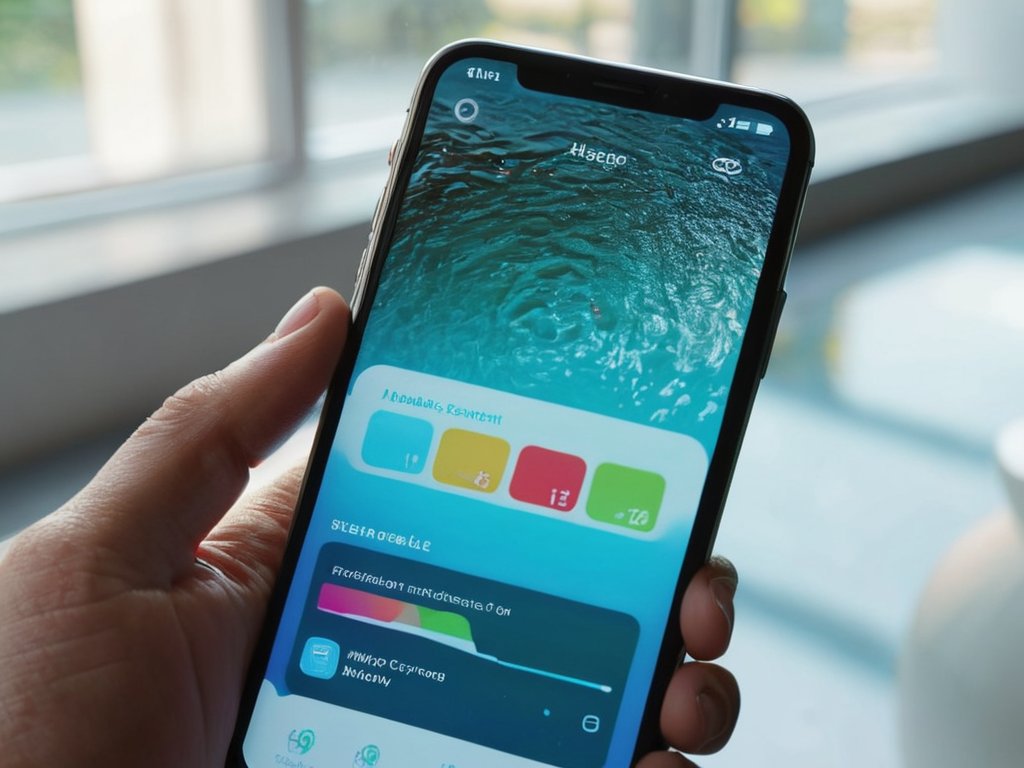
- Use real-world physics to inform your animation easing techniques, making interactions feel more natural and intuitive
- Design UI motion with a focus on momentum and friction to create a sense of weight and resistance
- Implement scrolling interaction patterns that respond to user input with realistic physics-based effects, such as bounce and inertia
- Craft gesture-based interactions that leverage physics to create a sense of fluidity and responsiveness, making the user feel in control
- Experiment with advanced physics-based motion techniques, like simulated gravity and collision detection, to add depth and realism to your UI design
Key Takeaways from Physics-Based Motion UI
I’ve learned that mastering animation easing techniques is crucial for creating a seamless user experience, making my app feel ridiculously fluid and realistic
By applying UI motion design principles and scrolling interaction patterns, I can unleash a new level of engagement and interaction with my users, making their experience more intuitive and enjoyable
Implementing gesture-based interaction design secrets can help me push the boundaries of what’s possible in UI design, creating an unparalleled sense of immersion and connection with my app
The Power of Physics in UI
Physics-based motion UI is not just about making things look cool – it’s about crafting an experience that’s so ridiculously natural, it feels like an extension of yourself.
Alec Jensen
Conclusion
As we’ve explored the world of physics-based motion UI, it’s clear that this approach has the potential to revolutionize the way we interact with digital products. From mastering animation easing techniques to understanding UI motion design principles, we’ve seen how a deep understanding of physics can lead to more intuitive and engaging user experiences. By applying principles like scrolling interaction patterns and gesture-based interaction design, developers can create apps that feel ridiculously fluid and realistic.
So what’s next for physics-based motion UI? As we continue to push the boundaries of what’s possible, we may uncover even more innovative ways to apply the laws of motion to UI design. The key is to stay curious, keep experimenting, and always be willing to unleash the laws of motion in new and creative ways. By doing so, we can create a new generation of digital products that are not only functional and efficient but also beautiful and captivating.
Frequently Asked Questions
How can I effectively implement physics-based motion UI in my mobile app to enhance user experience?
Honestly, I’m all about keeping it simple – start by identifying areas where physics-based motion can enhance the user flow, like scrolling or gestures, and then experiment with animation easing techniques to create a ridiculously fluid experience.
What are the key differences between traditional animation techniques and physics-based motion UI?
For me, the biggest difference between traditional animation and physics-based motion UI is the level of realism and fluidity. Traditional animation can feel stiff and robotic, whereas physics-based motion UI is all about creating a sense of weight and momentum that feels ridiculously natural and immersive.
Can physics-based motion UI be used to improve accessibility in applications for users with disabilities?
I’m a huge believer that physics-based motion UI can be a game-changer for accessibility. By incorporating subtle animations and interactions, we can create a more intuitive experience for users with disabilities, making it easier for them to navigate and engage with our apps. It’s all about striking the right balance between motion and simplicity.

