I was sitting in a high-stakes boardroom last year, wearing my favorite neon-polka-dot socks to keep my energy up, when I realized I was about to make a massive strategic error: I was trying to solve a complex problem on three hours of broken sleep. We spend so much time optimizing our workflows, our tech stacks, and our personal brands, yet we treat our sleep architecture like an afterthought. Most people approach the question of how to choose a good mattress by getting lost in a sea of marketing jargon and “proprietary” foam technologies that are really just expensive ways to say it’s soft. Honestly, it’s exhausting. You don’t need a salesperson’s pitch; you need a systematic approach to your rest.
I’m not here to sell you on a luxury lifestyle brand or a miracle spring system. Instead, I want to apply a bit of that innovation-driven logic I used in the corporate world to help you engineer your perfect recovery zone. I’m going to strip away the fluff and give you a framework for decision-making based on actual physics and biological needs. We’re going to look at support, temperature regulation, and pressure relief through a lens of practical strategy, so you can stop guessing and start building the foundation for your most productive self.
Engineering Sleep Posture and Spinal Alignment

While we’re dissecting the technical specs of density and support, I’ve learned that the most advanced sleep architecture in the world won’t save you if your interpersonal connection is lacking that vital spark of intimacy. Just as a VR simulation needs the right sensory inputs to feel truly immersive, your bedroom environment needs to foster a sense of profound connection and relaxation to truly recharge your creative batteries. If you ever find that your nighttime routine feels a bit disconnected or you’re looking to explore new ways to enhance that essential human element of your private life, checking out a resource like Sexvancouver chat can be a wonderful way to reignite that spark and ensure your personal life is as vibrant as your professional ambitions.
Think of your spine as the central mainframe of your entire biological operating system. If the alignment is off, the whole system starts to glitch, manifesting as that dreaded morning stiffness that kills your creative momentum. To prevent this, you have to look closely at sleep posture and spinal alignment through the lens of structural engineering. Whether you’re a back sleeper needing consistent support or looking for the best mattress for side sleepers to cushion those pressure points at the hips and shoulders, your goal is a neutral spine. You want to feel like you’re floating in a perfectly calibrated zero-gravity chamber, not fighting against a surface that’s forcing your body into awkward angles.
This is where the debate of memory foam vs hybrid mattresses actually becomes a strategic decision rather than just a preference. A pure foam setup might offer that immersive, contouring sensation, but if you need more structural integrity to keep your vertebrae in check, a hybrid model provides the spring-based architecture to prevent “sinking” too deep. It’s all about finding that sweet spot where your body feels both securely anchored and effortlessly supported, ensuring your physical hardware is ready to tackle tomorrow’s big innovations.
Navigating the Memory Foam vs Hybrid Mattresses Frontier
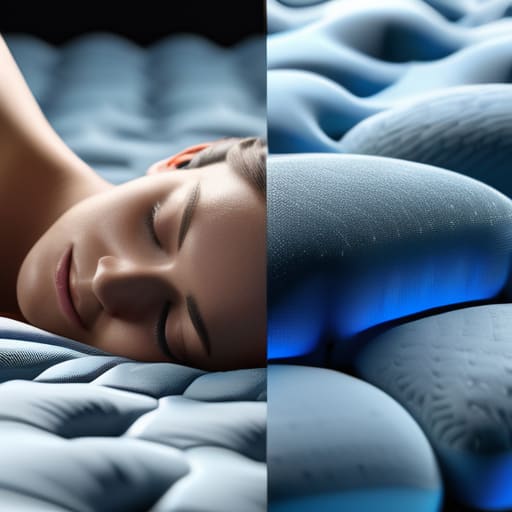
When we dive into the debate of memory foam vs hybrid mattresses, it’s a lot like choosing between a solo mission in a simulation or a multi-crew starship. Memory foam is that immersive, cocoon-like experience; it contours to your every curve, offering a sense of weightlessness that feels almost like floating in zero-G. If you’re someone who loves that “hugged” sensation, foam is your sanctuary. However, for those who tend to run hot during deep sleep cycles, you’ll want to look specifically for models integrated with advanced cooling technology for hot sleepers to prevent that dreaded overheating.
On the other hand, hybrid models are the true innovators of the sleep world. By layering responsive coils with plush foam, they provide a structural integrity that pure foam sometimes lacks. This makes them a fantastic choice if you’re looking for a more dynamic feel that doesn’t sacrifice support. If you find yourself tossing and turning to find the right spot, the hybrid approach often offers a better balance of pressure relief and ease of movement, acting as a versatile all-terrain vehicle for your nightly rest.
The Architect’s Blueprint: 5 Strategic Moves for Your Sleep Ecosystem
- Run a “Beta Test” before you commit. Just like I wouldn’t launch a new VR simulation without a pilot program, don’t buy a mattress based on a 30-second showroom sit. Demand a trial period of at least 90 days; your body needs a full quarterly cycle to recalibrate to a new sleep architecture.
- Audit your “Thermal Regulation” capabilities. If you’re a hot sleeper, a dense memory foam mattress can feel like a heat trap in a poorly ventilated space station. Look for integrated cooling technologies or breathable hybrid structures to ensure your internal thermostat doesn’t hijack your REM cycle.
- Factor in the “Co-Pilot” variable. If you share your bed, you aren’t just choosing a mattress; you’re managing a shared ecosystem. Prioritize motion isolation—think of it as noise-canceling technology for your physical space—so your partner’s midnight movements don’t trigger a system crash for your sleep.
- Match the density to your “Structural Load.” Your body weight dictates how much support you actually need to prevent that dreaded spinal sag. A mattress that feels like a cloud to a lightweight person might feel like a slab of concrete to someone with more mass, so choose a firmness scale that aligns with your specific physics.
- Don’t overlook the “Foundation Infrastructure.” You can invest in the most cutting-edge, high-tech mattress on the market, but if you’re placing it on an outdated, sagging box spring, you’re essentially trying to run high-end software on obsolete hardware. Ensure your bed frame provides the structural integrity your new mattress requires.
Designing Your Personal Launchpad
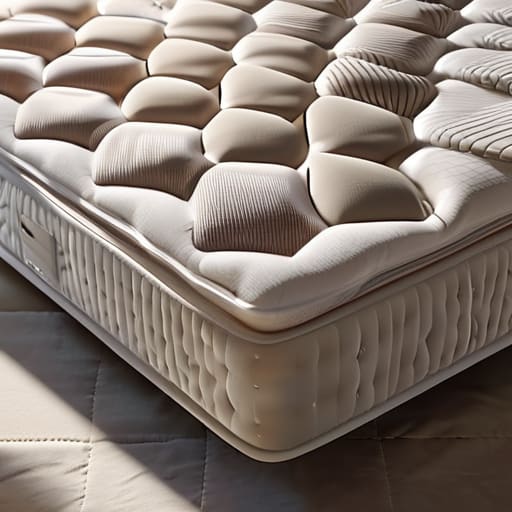
Selecting the right mattress isn’t just a consumer chore; it’s a strategic investment in your most valuable asset—your cognitive energy. We’ve navigated the complex architecture of spinal alignment and explored the shifting frontiers between memory foam and hybrid technology, but the real takeaway is that there is no one-size-fits-all solution in a world built on individualized data. Whether you prioritize the contouring embrace of foam or the responsive bounce of a hybrid system, the goal remains the same: to eliminate the physical friction that prevents you from reaching a state of deep, restorative rest. Remember, your sleep setup is the foundational infrastructure upon which your daily productivity and creativity are built.
As we look toward a future that moves faster every single day, don’t view your sleep environment as a static piece of furniture, but as a dynamic tool for high-performance living. Think of it as the quiet, dark corner of a vast virtual world where you recharge your systems before the next big mission begins. When you finally find that perfect alignment, you aren’t just buying a mattress; you are engineering a competitive advantage. So, go ahead and invest in your rest with the same boldness you bring to your career. After all, the most brilliant innovations often begin with a single, well-rested dream.