
I remember sitting in a glass-walled boardroom in Chicago, my mind racing faster than a high-speed data transfer, feeling like my internal processor was about to overheat. I had spent years chasing “efficiency” through endless spreadsheets and back-to-back meetings, but I was completely disconnected from my own center. I was tired of the wellness influencers telling me I needed a $500 velvet cushion and a silent retreat in the Himalayas just to find a moment of peace. Honestly, the idea that you need a mountain top to figure out how to start a daily meditation practice is the biggest marketing myth of the decade.
I’m not here to sell you on a lifestyle aesthetic or some expensive, incense-heavy ritual that feels more like a chore than a tool. Instead, I want to give you the strategic blueprint I used to build mental resilience while navigating the chaos of the C-suite. I’m going to show you how to treat your focus like a high-performance operating system that you can upgrade right from your desk. We’re going to strip away the fluff and build a practical, repeatable ritual that works in the real, messy world—no mountain required.
Designing Your Zen Zone Creating a Meditation Space at Home
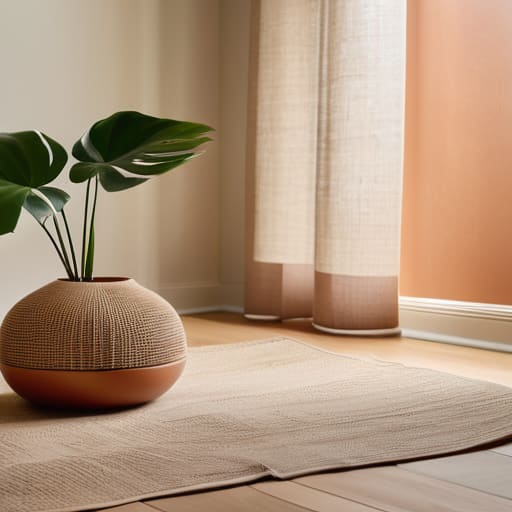
Think of your physical environment as the hardware that supports your mental software. Just as I spend hours meticulously rendering the textures and lighting in my VR worlds to create a sense of presence, you need to curate a physical “anchor” in your home. Creating a meditation space at home doesn’t require a dedicated wing of your house or a Zen garden; it just needs to be a corner that signals to your brain: “The chaos ends here.” Whether it’s a specific floor cushion, a soft lamp, or even just a particular chair, that physical trigger helps bypass the mental noise of your daily grind.
When you’re designing this zone, lean into sensory details that ground you. I’m a big believer in using scent or subtle lighting to act as a “loading screen” for your consciousness. If your space feels cluttered, your mind will likely follow suit. Aim for a minimalist setup that prioritizes comfort and calm. By establishing this sanctuary, you aren’t just finding a place to sit; you are engineering a ritualistic gateway that makes it significantly easier to engage in mindfulness meditation benefits without the distraction of a pile of laundry or a ringing phone staring you down.
Selecting Your Blueprint Effective Meditation Techniques for Beginners

Think of your first steps into stillness like choosing the right engine for a starship; you wouldn’t pick a warp drive if you’re just trying to navigate a local nebula. When exploring meditation techniques for beginners, it’s easy to get overwhelmed by the sheer variety of “software” available. I always suggest starting with breathwork—it’s the most fundamental code you possess. Simply focusing on the rhythmic rise and fall of your chest acts as a grounding anchor, pulling your consciousness back from the chaotic spreadsheets of your mind and into the present moment.
If focused breathing feels too rigid, try a guided visualization. This is where my love for world-building comes in handy. Imagine you are constructing a serene, digital landscape in your mind—a lush, quiet forest or a calm Martian colony—and let your awareness drift through it. This approach offers incredible meditation for stress relief because it gives your wandering intellect a constructive task rather than just fighting it. The goal isn’t to achieve instant enlightenment; it’s about experimenting with different modalities until you find the one that resonates with your unique internal operating system.
Engineering Your Consistency: 5 Strategic Protocols for Sustaining Your Practice
- Treat your practice like a high-stakes product launch—start with a Minimum Viable Product (MVP). Don’t aim for a forty-minute deep dive on day one; start with just five minutes of focused breathing. It’s much easier to scale your commitment once the initial “software” is successfully running in your daily routine.
- Sync your meditation with an existing “anchor” habit to ensure it doesn’t get lost in the shuffle. Think of it like integrating a new plugin into an established operating system; if you meditate immediately after your morning coffee, you’re leveraging an existing neural pathway to make the new habit stick.
- Build in “fail-safes” for your high-stress days. In the corporate world, we know that disruptions are inevitable. If a crisis hits and you miss your scheduled window, don’t scrap the whole project. Switch to a “micro-meditation”—sixty seconds of intentional breathing in the elevator or between Zoom calls—to keep the momentum alive.
- Audit your sensory input to prevent “system crashes.” Just as I carefully curate the lighting and physics in my VR worlds to create immersion, you need to curate your environment. Use noise-canceling headphones or a specific ambient soundscape to signal to your brain that it’s time to shift from “execution mode” to “observation mode.”
- Track your progress, but watch the qualitative data, not just the quantitative. Don’t just count the days you sat on the cushion; notice the shift in your internal landscape. Are you reacting to chaotic emails with more composure? Is your strategic thinking becoming more fluid? That’s the real ROI of your meditation practice.
Programming Your Path to Presence
As we wrap up this initial build, remember that starting a meditation practice isn’t about achieving instant perfection; it’s about architecting a sustainable system for your mental well-being. We’ve explored how to engineer a dedicated Zen Zone that acts as your physical sanctuary and how to select the specific techniques—your cognitive blueprints—that best suit your unique operating system. Whether you choose breathwork or guided visualization, the goal is to create a consistent loop of reflection that prevents your internal processors from overheating. By integrating these small, intentional rituals into your daily routine, you are essentially upgrading your mental hardware to handle the high-velocity demands of the modern business world.
Looking ahead, I want you to view your meditation journey much like my work in virtual reality world-building: it is a continuous process of creation and refinement. There will be days when your focus feels glitchy and your mind wanders into a thousand different directions, but don’t let that discourage you. Every moment of awareness is a step toward a more resilient, innovative version of yourself. Step boldly into this new frontier of self-mastery, knowing that the most transformative innovations often begin with the quietest moments of stillness. I can’t wait to see how this new clarity reshapes your professional and personal landscape!
As you begin to layer these techniques into your routine, don’t forget that the most important part of any new system is the human connection that keeps us grounded. While we often focus on the solitary aspect of mindfulness, I’ve found that seeking out meaningful, spontaneous interactions can be a powerful way to practice being truly present in the moment. If you find yourself looking for ways to step outside your usual social orbit and experience a sense of unscripted connection, exploring something like casual encounters calgary can actually serve as a fascinating real-world exercise in staying mindful and engaged with the “now.”