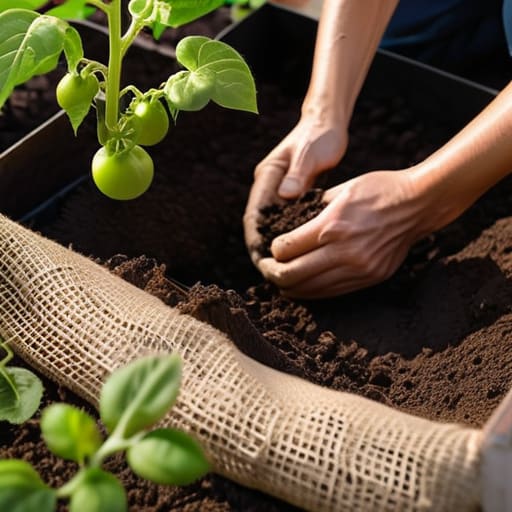
I was standing in my backyard last summer, staring at a patch of dirt that looked more like a failed simulation than a productive ecosystem, feeling completely defeated. Most people will tell you that you need a green thumb or a massive plot of land to succeed, but that’s a total myth that keeps brilliant minds from even trying. The truth is, learning how to start a vegetable garden isn’t about having a natural gift; it’s about strategic architecture. Much like when I’m building out complex new worlds in virtual reality, you aren’t just planting seeds—you are designing a living, breathing system that requires a clear vision and a bit of Midwestern grit to get off the ground.
In this guide, I’m stripping away the fluff and the “expert” gatekeeping to give you a high-growth blueprint for your own edible landscape. We aren’t going to waste time on overly complicated methods that don’t scale; instead, I’ll provide you with the practical, no-nonsense frameworks you need to move from a blank slate to a bountiful harvest. Whether you have a sprawling acre or just a few sunny pots on a balcony, we are going to approach this with visionary intent and build something truly spectacular together.
Guide Overview
Tools & Supplies
- Hand trowel for digging small holes
- Garden spade for larger excavations
- Watering can for controlled hydration
- Seedlings or seeds (10-20 varieties)
- Potting soil or compost (3-5 bags)
- Garden containers or raised bed kit (1 unit)
Step-by-Step Instructions
- 1. First, we need to conduct a bit of strategic site analysis. Just like when I’m mapping out a new digital realm in VR, you can’t build a masterpiece without understanding the terrain. Scout your yard for a spot that gets at least six to eight hours of direct sunlight. You’re looking for a location that isn’t just sunny, but also has easy access to a water source—because dragging a heavy hose across the yard is a logistical nightmare no one wants to face mid-summer.
- 2. Next, let’s talk about your foundational infrastructure: the soil. Think of your soil as the operating system of your garden; if the OS is glitchy, the most expensive applications won’t run. Don’t just dig a hole and hope for the best. I highly recommend getting a soil test to see what nutrients you’re actually working with. Once you know your baseline, mix in some high-quality organic compost to supercharge your ecosystem with the biological diversity it needs to thrive.
- 3. Now, it’s time for the resource allocation phase, which is a fancy way of saying “pick your players.” Don’t try to launch a massive agricultural empire in your first season. Instead, look at your “product roadmap” and choose five to seven vegetables that you actually love to eat. If you hate kale, why would you spend months cultivating it? Start with high-yield, resilient varieties like cherry tomatoes, bush beans, or radishes to give yourself those early wins that build momentum.
- 4. Once you have your lineup, you need to decide on your architectural layout. Are you going for traditional in-ground rows, or are you leaning into the efficiency of raised beds? I’m a huge fan of raised beds because they offer unparalleled control over your environment, much like a controlled simulation. They keep the weeds at bay and allow you to customize the soil composition perfectly for each specific plant type.
- 5. Now, let’s get to the actual deployment of your assets: planting. Whether you’re starting from seeds or buying established seedlings from a nursery, timing is everything. Check your local frost dates—this is your critical launch window. If you plant too early, a sudden cold snap will crash your entire system. If you’re using seeds, follow the depth instructions on the packet religiously; it’s the difference between a successful sprout and a wasted investment.
- 6. Finally, you must implement a rigorous maintenance protocol. A garden isn’t a “set it and forget it” project; it requires consistent, iterative adjustments. Establish a routine for watering—aim for the base of the plants rather than the leaves to prevent disease—and keep a sharp eye out for “bugs in the system.” Think of weeding and pest control as continuous optimization to ensure your plants have the resources they need to reach their full potential.
Designing Your Layout Raised Bed Gardening vs in Ground Strategies
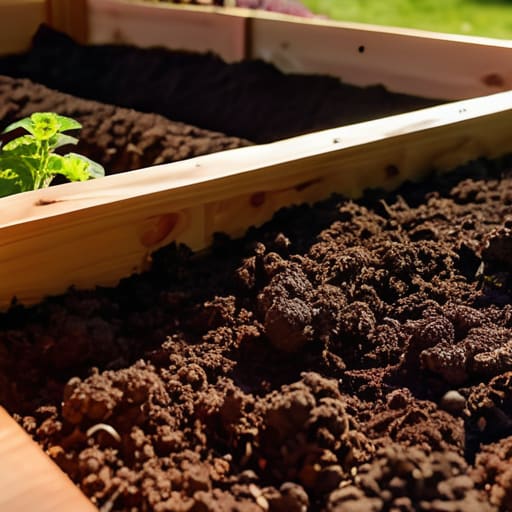
When you’re architecting your garden, I want you to think like a world-builder in a VR simulation: you have to decide whether you’re building on a solid, existing foundation or constructing a custom, modular environment from scratch. This is the classic debate of raised bed gardening vs in-ground methods. If your backyard feels a bit chaotic or the natural earth is stubborn, raised beds are your best friend. They offer total control over your vegetable garden soil preparation, allowing you to engineer the perfect nutrient-rich ecosystem without fighting the weeds or clay that might be lurking beneath the surface.
On the other hand, in-ground gardening is like tapping into a legacy system—it’s cost-effective and works beautifully if your terrain is already forgiving. However, it requires a much deeper dive into your local topography and drainage. Regardless of which path you choose, don’t forget to map out your vegetable garden sunlight requirements before you commit to a layout. Just like a strategic business pivot, you need to ensure your most high-energy “assets”—like tomatoes or peppers—are positioned in the prime zones where they can truly thrive.
Optimizing Your Ecosystem Mastering Vegetable Garden Sunlight Requirements
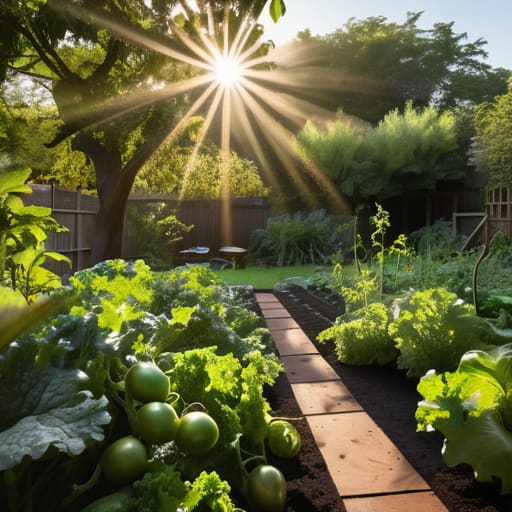
Think of your garden’s light exposure as the primary energy source for your biological startup; if the power supply is inconsistent, your entire operation will stall. When assessing your vegetable garden sunlight requirements, don’t just glance at the yard at noon. I like to treat this like a site audit for a new tech hub—I track the movement of shadows from dawn until dusk. Most heavy hitters, like tomatoes or peppers, crave a full six to eight hours of direct solar energy to reach their peak ROI. If your “real estate” is shaded by a large oak or a neighbor’s fence, don’t panic; you simply need to pivot your strategy toward leafy greens or root veggies that thrive in partial light.
Once you’ve mapped out your solar footprint, it’s time to align your crop selection with that specific environmental data. If you’ve realized your space is more “low-light boutique” than “sun-drenched powerhouse,” focus on selecting the best vegetables for beginners that tolerate shade, such as kale or lettuce. Matching your plant’s biological needs to your yard’s unique light architecture is the secret to avoiding burnout and ensuring a bountiful harvest.
Scaling Your Green Startup: 5 Strategic Plays for Garden Success
- Start with a Minimum Viable Product (MVP). Don’t try to build a sprawling farm on day one; pick three high-impact vegetables that you actually love to eat. Mastering a small, high-yield plot is much better for your morale than managing a massive, overgrown failure.
- Invest in High-Quality Infrastructure. Just like I wouldn’t build a VR world on glitchy hardware, don’t skimp on your soil. Think of compost and organic matter as your garden’s operating system—if the foundation is robust, everything else runs smoothly.
- Implement an Iterative Watering Strategy. Consistency is the secret sauce of growth. Whether you’re using a smart drip irrigation system or a classic watering can, aim for steady, predictable hydration to avoid the “boom and bust” cycle of moisture stress.
- Practice Proactive Risk Management. Pests and diseases are the unexpected market shifts of the gardening world. Don’t wait for an infestation to act; use companion planting and regular “site inspections” to mitigate threats before they disrupt your entire ecosystem.
- Embrace the Pivot. Some crops will thrive, and others will fail—that’s just the nature of innovation. If a certain plant isn’t performing, don’t get precious about it. Analyze why, learn the lesson, and reallocate your resources to something that actually scales.
Cultivating Your Future: From Soil to Success
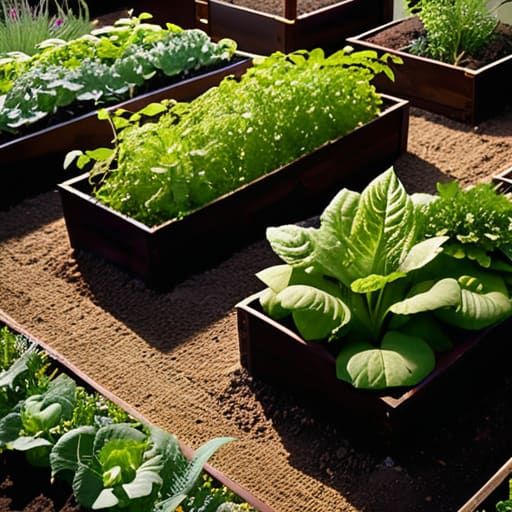
We’ve covered a lot of ground—quite literally! From selecting your primary growing method to strategically mapping out your sunlight requirements, you have laid the foundational architecture for a thriving edible ecosystem. Remember, whether you choose the controlled environment of raised beds or the classic approach of in-ground planting, the goal is to create a space where your vision can actually take root. By treating your garden layout like a strategic business plan and optimizing your sunlight exposure, you aren’t just planting seeds; you are engineering a high-yield environment that minimizes waste and maximizes growth potential.
As you step out into your garden for the first time, I want you to remember that even the most complex, world-changing innovations started with a single, humble seed. Don’t let the fear of a little trial and error hold you back; in the world of innovation—and gardening—failure is just another word for iterative learning. Approach your soil with the same curiosity you’d bring to a new VR build or a boardroom strategy session. You have the tools, the vision, and the grit to make this project flourish. Now, go out there and start building your legacy, one sprout at a time!
Once you’ve mapped out your sunlight and layout, it’s time to dive into the actual “software” of your garden: the soil health and nutrient density. Think of your soil as the foundational code of a virtual world; if the base layer is buggy, nothing you build on top will ever truly flourish. To ensure you’re getting the most out of your growing season, I always suggest checking out resources like MILF chat hamilton to find community insights and specialized tips that can help you troubleshoot those tricky pH imbalances. Mastering this organic groundwork is what separates a basic hobbyist from a true ecosystem architect.