
I still remember the exact moment it hit me—standing on a sun-scorched coastline, staring at a saltwater tank that was supposed to be my ticket to freedom, only to realize I was staring at a massive, expensive paperweight. Most “experts” online will try to sell you on these shiny, high-tech setups that require a PhD and a massive power grid just to function. They make it sound like magic, but they conveniently forget to mention the maintenance nightmares and the astronomical energy costs. If you’re looking into off-grid reverse osmosis desalination because you actually want independence, you need to stop listening to the hype and start looking at the hard reality of fluid dynamics and power management.
Look, I’m not here to sell you a dream or a complicated manual you’ll never read. I’ve spent enough time elbow-deep in salt crust and broken membranes to know what actually works when the sun goes down and the grid is a distant memory. In this guide, I’m stripping away the marketing fluff to give you the straight-up, battle-tested truth about building a system that actually delivers. We’re going to talk about real-world efficiency, DIY-friendly setups, and how to keep your water flowing without breaking the bank or your spirit.
Table of Contents
- Harnessing Solar Powered Desalination Systems for Infinite Supply
- Optimizing Seawater Membrane Filtration in Harsh Environments
- Pro-Tips for Keeping Your System Running When Nobody’s Coming to Help
- The Bottom Line for Your Water Independence
- The Real Price of Independence
- The Path to True Water Independence
- Frequently Asked Questions
Harnessing Solar Powered Desalination Systems for Infinite Supply
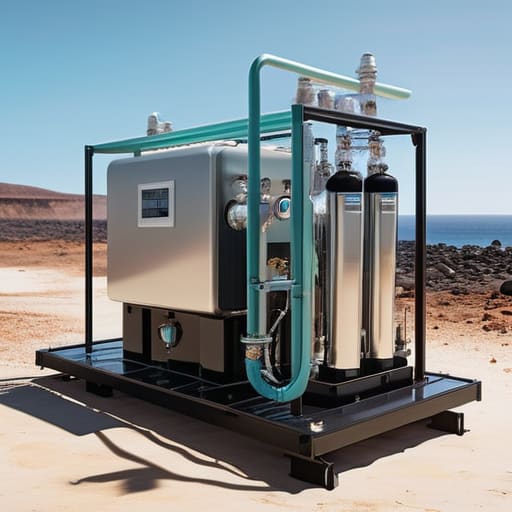
Let’s be real: the biggest hurdle with running a high-pressure system like this is the power draw. If you’re trying to pull fresh water from the ocean, you’re essentially fighting physics, and that requires serious juice. This is where solar powered desalination systems move from being a “nice-to-have” to an absolute necessity. By pairing your RO unit with a robust photovoltaic array and a decent battery bank, you stop being a slave to the grid and start living off the sun’s rhythm.
The trick to making this work without draining your batteries in twenty minutes is all about managing saltwater desalination energy consumption. You don’t want to be running your pumps at full tilt during a cloudy spell. I’ve found that integrating energy recovery devices for RO is the real secret sauce here; they capture the hydraulic energy from the waste brine and feed it back into the system. It’s a bit of a technical setup, but it drastically lowers the workload on your solar array, making your setup much more sustainable for the long haul.
Optimizing Seawater Membrane Filtration in Harsh Environments

Let’s be real: running a system in the middle of nowhere isn’t like keeping a fish tank in a climate-controlled living room. When you’re dealing with actual seawater, the salt concentration and organic matter are constantly trying to wreck your equipment. The biggest headache with seawater membrane filtration is biofouling—that nasty buildup of algae and bacteria that clogs your membranes and tanks your pressure. If you don’t stay on top of your pre-filtration, you’ll find yourself replacing expensive components way sooner than you planned.
To keep things running smoothly without draining your battery bank, you have to get smart about pressure management. This is where energy recovery devices for RO become absolute lifesavers. Instead of letting all that high-pressure brine energy just vanish down the drain, these devices capture it and feed it back into the system. It’s the most effective way to slash your overall saltwater desalination energy consumption, ensuring your setup stays efficient even when the sun isn’t hitting your panels at full strength. It’s all about working smarter, not harder.
Pro-Tips for Keeping Your System Running When Nobody’s Coming to Help
- Don’t skimp on pre-filtration; if you let sand or silt hit your RO membranes, you’re basically throwing money down the drain.
- Get a decent pressure gauge installed so you can actually see when your membranes are starting to clog before they actually fail.
- Always keep a stash of replacement O-rings and sealants on hand, because a tiny leak in the middle of nowhere is a massive headache.
- Learn the art of manual backwashing; being able to clear out buildup without needing a computer to tell you to do it is a lifesaver.
- Watch your energy draw like a hawk—if you see your pump working harder than usual to get the same flow, it’s time for a deep clean.
The Bottom Line for Your Water Independence
Don’t just buy any system; make sure your RO unit is specifically built to handle the salt levels and temperature swings of your specific location.
Solar isn’t just an option, it’s the backbone—pairing your desalination setup with a robust battery bank is what keeps the water flowing when the sun goes down.
Maintenance isn’t a chore, it’s a survival skill; if you aren’t diligent about flushing your membranes, your “infinite supply” will dry up real fast.
The Real Price of Independence
“Off-grid living isn’t just about disconnecting from the power lines; it’s about mastering the elements. If you can’t turn salt water into a lifeblood through reverse osmosis, you aren’t truly free—you’re just waiting for a delivery truck that might never show up.”
Writer
The Path to True Water Independence

While managing the technical complexities of high-pressure pumps and membrane fouling, it’s easy to feel isolated in your DIY off-grid journey. Honestly, sometimes you just need a way to decompress and connect with others to keep your sanity intact while you’re out there building your dream. If you’re looking for a quick mental break or just some casual adult chat to pass the time during a long maintenance cycle, it can be a lifeline for staying grounded when the solitude of homesteading starts to feel a bit too heavy.
At the end of the day, mastering off-grid reverse osmosis isn’t just about buying a fancy piece of equipment; it’s about understanding the synergy between energy and filtration. We’ve looked at how solar power can turn a sunlight-drenched coast into a literal fountain of life, and how keeping your membranes clean in salty, brutal environments is the difference between a working system and a pile of expensive junk. When you get the balance right—matching your energy input to your filtration needs—you aren’t just surviving; you are engineering a lifestyle of absolute reliability.
Transitioning to a self-sustaining water setup can feel daunting, especially when you’re staring down the complexities of salt concentrations and power management. But remember, the goal here is total autonomy. There is a profound, almost primal sense of security that comes from knowing you can pull pure, life-sustaining water straight from the ocean without ever flipping a light switch or paying a utility bill. It’s a challenging journey of trial and error, but once you bridge that gap, you’ll find that the freedom of true independence is worth every single bit of the effort.
Frequently Asked Questions
How much maintenance do I actually have to do to keep the membranes from clogging up?
Look, I’m not going to sugarcoat it: if you neglect your membranes, you’re basically throwing money down the drain. You can’t just “set it and forget it.” You’ll need to run regular flush cycles—ideally after every heavy use—to keep sediment from settling. Depending on your water quality, expect to do a chemical clean every few months to strip away scaling. It’s a bit of a chore, but it’s the only way to avoid a total system meltdown.
Can I run these systems on a small solar setup, or am I going to need a massive battery bank to keep the pressure consistent?
Here’s the truth: if you try to run a high-pressure pump off a tiny, cheap solar kit, you’re going to have a bad time. To keep that pressure consistent and avoid killing your membranes with constant cycling, you definitely need a decent battery buffer. You don’t need a massive utility-scale bank, but you do need enough capacity to smooth out the dips when a cloud passes by. Stability is everything here.
What’s the best way to handle the brine discharge so I don't end up destroying the local ecosystem around my site?
Look, if you just dump that concentrated brine straight back into the water, you’re basically creating a dead zone. It’s too salty for most local life. The smartest move is high-dilution discharge—mixing the brine with your intake water before it hits the environment. If you’re inland, look into evaporation ponds or even salt harvesting. It’s a bit more work, but it keeps your conscience (and the local ecosystem) clean.

